




Midlife appears to be a major turning point for sleep
The Groove Pillows Sleep and Pain Impact Report surveyed 971 people about their sleep habits, health and wellbeing.
One of the clearest findings was that sleep often begins to deteriorate during midlife.
Nearly two-thirds of respondents said their sleep worsened during their 40s and 50s.
For many people, this stage of life brings significant physical and hormonal changes that can make getting a good night's sleep more difficult.
While occasional poor sleep affects people of all ages, the survey suggests that sleep disruption becomes much more common during midlife.
How much sleep are people actually losing during midlife?
When people think about sleep deprivation, they often focus on the number of hours they spend in bed.
The survey found that 91% of respondents get less than the recommended eight hours of sleep, while three in 10 get fewer than six hours a night.
However, the research suggests that sleep quality may be just as important as sleep quantity.
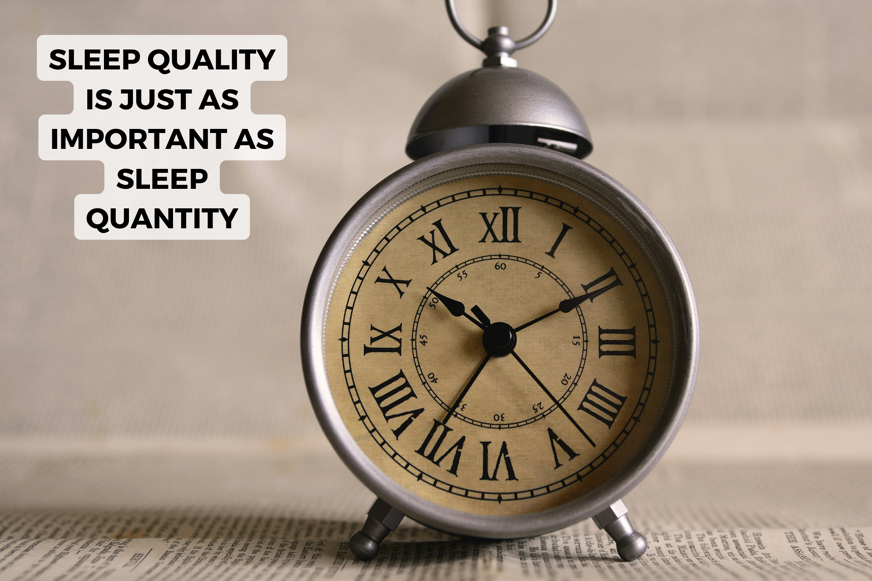
Many respondents weren't simply struggling to fall asleep. Instead, they were waking repeatedly throughout the night and struggling to get back to sleep.
Around two-thirds said it takes them at least 10 minutes to fall back asleep after waking, while one in four said it takes more than 30 minutes.
Those interruptions may seem small in isolation, but they can add up surprisingly quickly.
Researchers estimate that respondents could be losing anywhere between 20 and 90 minutes of sleep every night through repeated waking episodes. Over the course of a week, that could amount to as much as 10 hours of lost sleep.
Pain is waking many people during the night
One of the strongest patterns to emerge from the research was the connection between sleep disruption and physical pain.
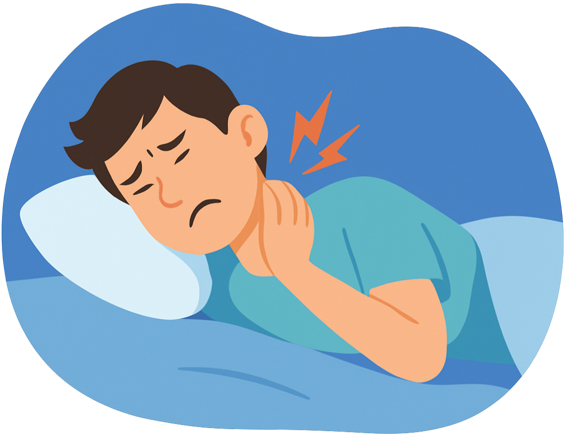
Three in 10 respondents said physical discomfort or pain wakes them during the night.
For some people, pain may be the reason they struggle to stay asleep rather than the reason they struggle to fall asleep.
Neck pain, back pain and joint discomfort can make it difficult to find a comfortable position and may cause repeated waking throughout the night.
The findings suggest that poor sleep and pain often exist in a cycle.
Pain can interrupt sleep, while poor sleep may reduce the body's ability to recover and cope with discomfort the following day.
The survey found that among respondents reporting insomnia, 56% also reported neck pain or back pain.
This suggests that for many people, insomnia may not be a standalone sleep issue. It may be closely linked to physical symptoms that continue long after the lights go out.
Why do women often experience more sleep problems during midlife?
The findings also reveal a more complex picture for many women.
Four in 10 women rated their sleep as poor or very poor, while three-quarters reported experiencing at least occasional sleep disruption.
Rather than dealing with one isolated issue, many women were experiencing several symptoms at the same time.
Around one in four women reported at least four different symptoms affecting their sleep and wellbeing.
These included:
- Neck pain
- Back pain
- Joint pain
- Insomnia
- Night sweats
- Restless legs
- Itchy skin
- Frequent trips to the bathroom during the night
This overlap is important because it highlights how sleep disruption is often driven by multiple factors rather than a single cause.
A woman experiencing night sweats, neck pain and insomnia may need a different approach from someone whose sleep problems are primarily stress-related.
What role does menopause play in poor sleep?
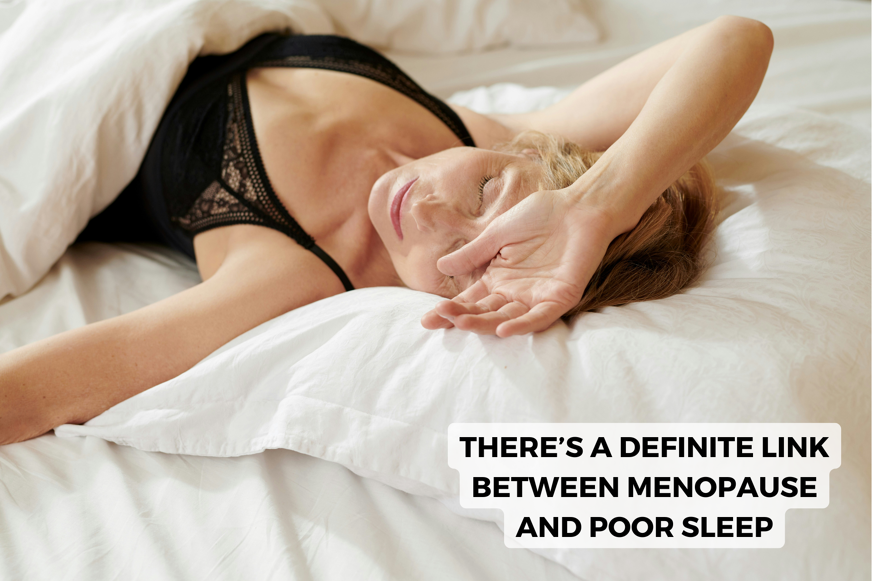
The survey suggests that hormonal symptoms are a significant part of the sleep story during midlife.
Between 15% and 35% of respondents reported symptoms commonly associated with hormonal changes, including sleep disruption and night sweats.
Yet despite growing awareness of the menopause-sleep connection, many women are still not seeking support.
Two-thirds of women recognised a link between menopause and sleep disruption, but only one in four had actively sought help or information.
Perhaps most tellingly, three in four women felt that women are expected to simply put up with sleep disruption and neck pain as they get older.
This may help explain why so many continue to struggle despite recognising that something has changed.
How does poor sleep affect your health and wellbeing?
The impact of disrupted sleep extends far beyond the bedroom.
Nearly half of respondents said poor sleep is affecting their mental health or overall wellbeing.
Meanwhile, 37% reported waking up feeling exhausted at least three mornings every week.
Persistent tiredness can affect concentration, mood, productivity and quality of life.
Over time, even relatively small amounts of lost sleep can accumulate, leaving people feeling as though they are constantly running on empty.
What can you do if your sleep is getting worse with age?
Poor sleep should not simply be accepted as an inevitable part of ageing.
If you regularly wake during the night, it may be worth considering whether pain, physical discomfort or hormonal changes could be contributing to the problem.
Simple lifestyle measures such as maintaining a regular sleep schedule, limiting caffeine late in the day, creating a comfortable sleep environment and ensuring your pillow and mattress provide adequate support may help improve sleep quality.
- For neck pain, an adjustable pillow like the Groove adjustable pillow can be perfectly customised to support the neck and spine, preventing wake-ups cause by discomfort.
- Hip and knee pain can be lessened with a knee support like the Groove combination pillow.
Also, speaking to a healthcare professional and being clear about your symptoms and what you want as an outcome from the appointment can help you make progress with getting treatment.
-
![groove pillow uk]()
![groove pillow uk]() Groove
Groove![Groove]() Original PillowPrice from £ 36The Groove Pillow is an ergonomic memory foam pillow designed to support spinal alignment and reduce neck pain while you sleep.The Groove Pillow is an ergonomic memory foam pillow designed to support spinal alignment and reduce neck pain while you sleep.Price from £ 36
Original PillowPrice from £ 36The Groove Pillow is an ergonomic memory foam pillow designed to support spinal alignment and reduce neck pain while you sleep.The Groove Pillow is an ergonomic memory foam pillow designed to support spinal alignment and reduce neck pain while you sleep.Price from £ 36


Key takeaways from the Groove Sleep and Pain Impact Report
The Groove Sleep and Pain Impact Report suggests that worsening sleep during our 40s and 50s is rarely caused by one factor alone.
Instead, sleep disruption appears to be driven by a combination of physical pain, repeated night waking, hormonal changes and overlapping symptoms that become more common during midlife.
For many people, the issue is not simply that they're sleeping less. It's that their sleep is becoming increasingly fragmented and less restorative.
Understanding the factors behind those restless nights is often the first step towards improving them and getting the quality sleep needed to feel at your best.
Table of Contents
Midlife appears to be a major turning point for sleep
How much sleep are people actually losing during midlife?
Pain is waking many people during the night
Why do women often experience more sleep problems during midlife?
How does poor sleep affect your health and wellbeing?




Alternatively, message us directly via the Contact Us page.